Repeatability & Consistency Under Scrutiny
Validation teams know this better than anyone. If blend cycles vary batch-to-batch or if homogeneity cannot be demonstrated, auditors will dig deeper.
The question they’re really asking is:
“How do you guarantee that every batch is blended the same way?”
For employees, that often translates to long hours gathering evidence, chasing down records, or explaining deviations that could have been avoided with better controls.
What Auditors Expect from Your Blending Process
Across hundreds of inspections, we see a consistent pattern of expectations for powder blending operations:
Complete traceability – Every cycle must create secure, time-stamped, user-verified records.
Validated, locked-down parameters – Auditors expect to see defined blend times, speeds, tolerances — and proof they cannot be changed without authorisation.
Full compliance with 21 CFR Part 11 – This includes:
-Data redundancy and export options
-Audit trails
-Electronic signatures
-User permission levels
Safe, contamination-free handling
IBC sealing, dust-free connectors, vessel design, and transfer methods must demonstrate GMP discipline.
Qualification evidence (IQ/OQ/PQ)
Without these, employees face immediate and difficult questions.
How Terriva Helps Teams Feel Audit-Ready
Terriva’s Pharmatech powder blenders and Connection Systems are built to reduce employee pressure during audits by embedding compliance into the equipment itself.
Here’s how we support the teams who feel the audit most:
21 CFR Part 11–Compliant Controls
Our systems give QA and operators the confidence that everything is captured correctly:
– Secure user logins
– Electronic signatures
– Tamper-proof audit trails
– Locked recipes
– Automatic data logging
– Easy data export for validation teams
This removes the human-error risk that employees fear during inspections.
Designed for GMP: Easy to Clean, Easy to Validate
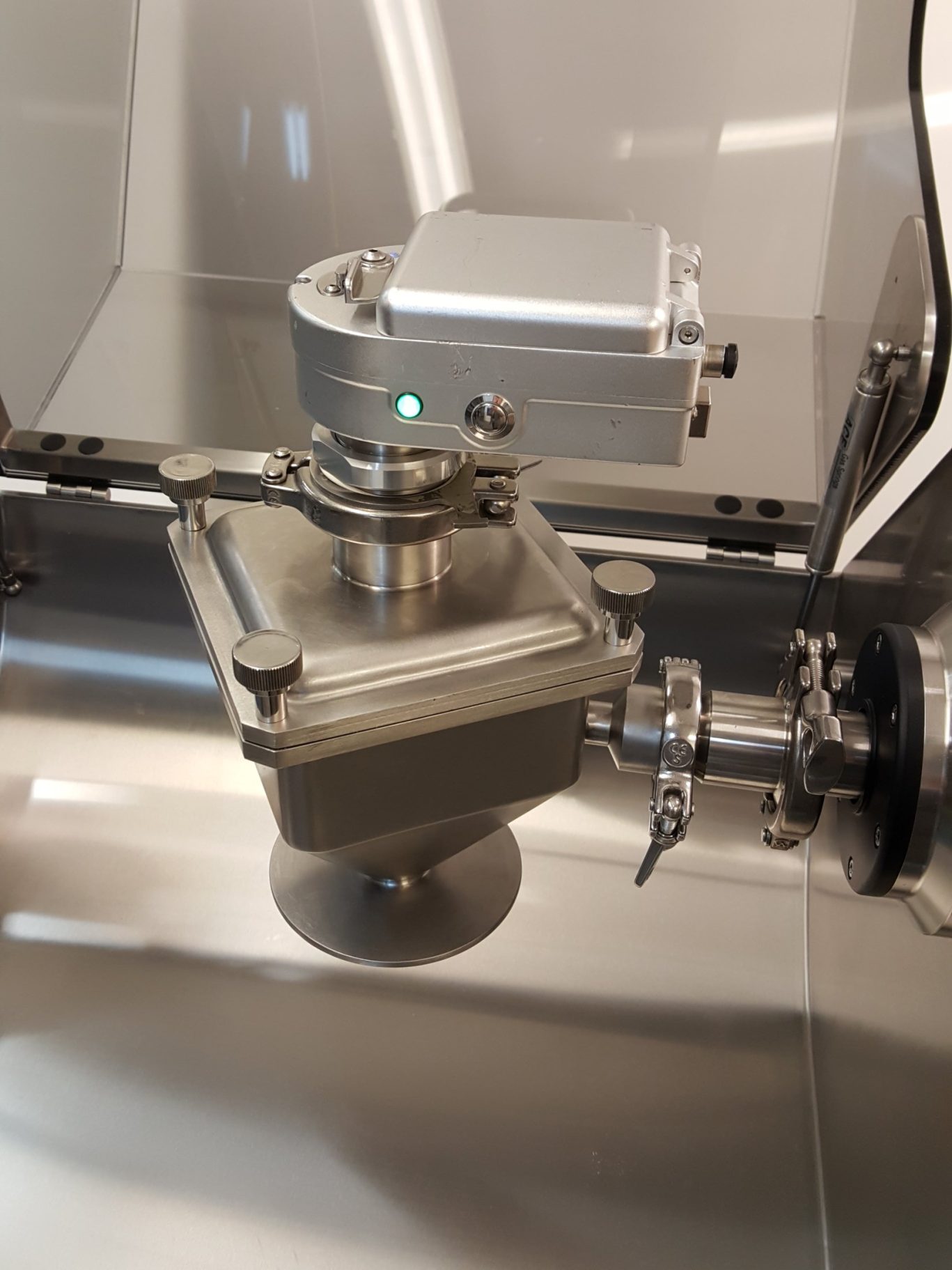
Every surface, weld, guard, and access point is engineered to meet GMP expectations:
– Hygienic stainless steel
– Smooth, contamination-resistant finishes
– Clear access for washdown
– Uniform geometry for repeatable mixing
Employees don’t need to “justify” the equipment — the engineering speaks for itself.
ATEX Compliance Where Required
For teams working with flammable or hazardous powders, ATEX conformity is non-negotiable.
Terriva delivers fully certified systems with the documentation auditors expect.
Full Lifecycle Documentation
Terriva supports QA and Validation with:
- – Technical files for audits
- – IQ/OQ protocols
- – Calibration certificates
- – FAT/SAT documentation
- – Change-control support
This means your teams aren’t scrambling to find documents the night before an inspection.
Final Thought: Good Equipment Reduces Audit Stress
21 CFR audits will always be demanding — but they shouldn’t be a source of panic for your employees.
When your powder-blending systems are engineered for compliance from the ground up, your team walks into an audit with confidence, clarity, and complete traceability.
At Terriva, our mission is simple:
Help pharmaceutical manufacturers — and the people behind them — achieve safe, compliant, repeatable powder blends every single day.
If your team is preparing for an audit, or if you’d like to strengthen compliance across your blending operations, we are here to support you.
Frequently Asked Questions
Click a question to view the answer.
What do auditors expect to see for repeatable, consistent powder blending in pharma?
Auditors typically look for evidence that every batch is blended the same way through complete traceability, validated operating ranges, and documented control of critical parameters (blend time, speed, tolerances). They also expect proof that parameters are controlled, deviations are investigated appropriately, and the overall process is demonstrably repeatable from batch to batch.
How does 21 CFR Part 11 apply to powder blender controls and data records?
21 CFR Part 11 expectations commonly include secure user access, electronic signatures, tamper-evident audit trails, and reliable electronic records with appropriate retention and export capability. In blending operations, this means time-stamped, user-verified batch records, clear traceability of recipe execution, and controlled access to parameter changes via defined permission levels.
Why are “locked-down” blending parameters important for validation and audit readiness?
Locked, validated parameters reduce the risk of unapproved changes that can drive variability, failed homogeneity, and compliance exposure. Auditors expect to see defined blend times, speeds, tolerances and evidence that they cannot be modified without authorisation and change control. This supports consistent execution, reduces human error, and strengthens defensibility during inspections.
What qualification documentation is typically required for powder blending systems (IQ/OQ/PQ)?
Validation teams typically need a clear evidence package including IQ/OQ/PQ documentation, relevant calibration certificates, FAT/SAT records, and supporting technical documentation. Auditors often focus on whether qualification is complete, whether deviations are managed, and whether the system remains in a validated state over time through appropriate maintenance and change control.
How do GMP design, containment, and ATEX requirements reduce audit risk in blending operations?
Auditors assess whether the system supports contamination control and safe handling through hygienic design, cleanability, and appropriate transfer interfaces (e.g., sealed IBCs, dust-free connections). Where hazardous powders are involved, documented conformity with applicable explosion protection expectations (e.g., ATEX where specified) and supporting documentation help demonstrate risk control. Strong equipment design reduces both process variability and the inspection burden on QA and operations teams.